AI SEO Software: The Strategic Guide to Ranking and Getting Cited in 2026
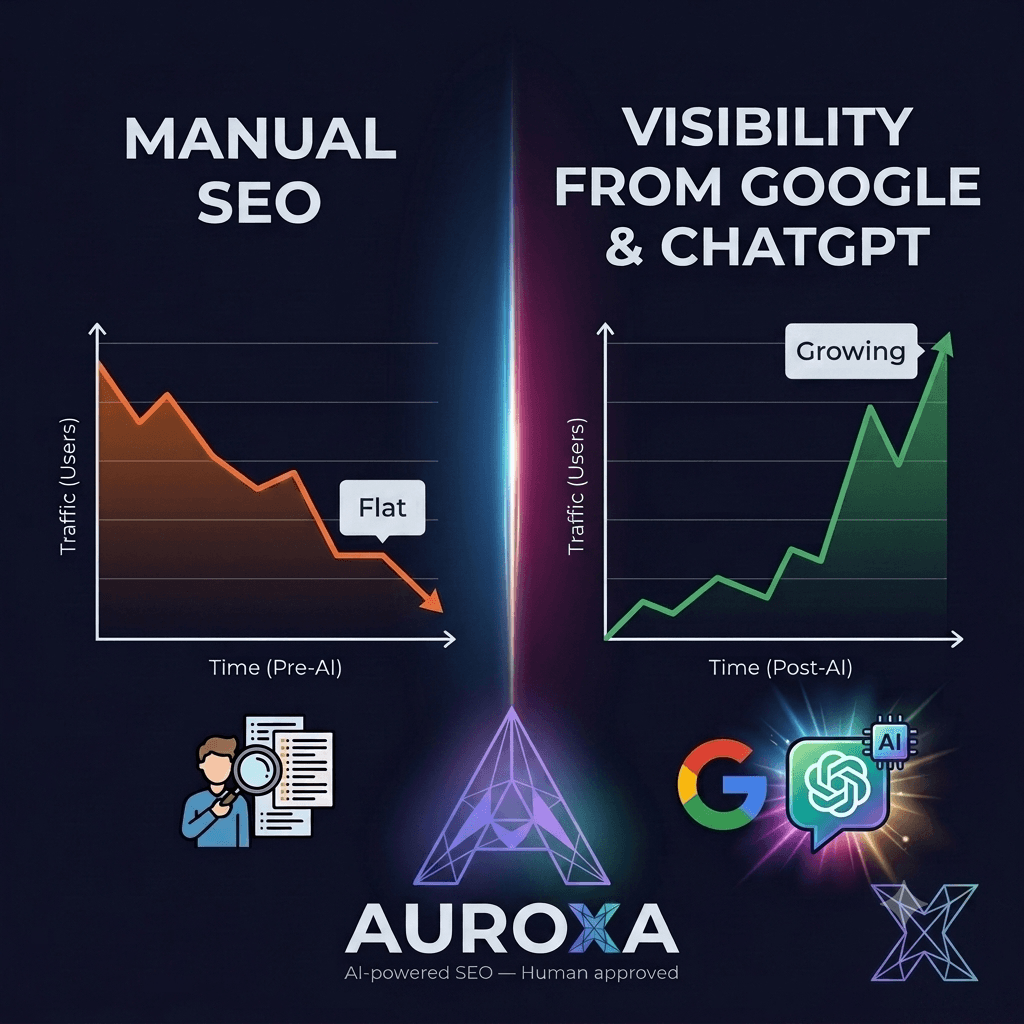
AI SEO software — tools that apply machine learning to automate, scale, and sharpen search optimization — has moved from novelty to core infrastructure for serious SEO teams. The best practitioners no longer debate whether to use it. They debate how to deploy it for maximum strategic advantage.
The central claim of this guide is direct: ai seo software is not a shortcut. It is a force multiplier. Teams that treat it as one layer in a disciplined, insight-driven workflow outperform those chasing volume alone. Every section below unpacks a specific dimension of that advantage.
What Exactly Is AI SEO Software and How Does It Work?
AI SEO software is a category of tools that use machine learning, natural language processing, and large language models to automate research, analysis, and content tasks that once required hours of manual work. Instead of replacing human judgment, these tools process signals at a scale no analyst can match alone.
At its core, the software ingests data from crawls, search indices, and competitor pages. It then surfaces patterns — keyword clusters, content gaps, technical errors, and link opportunities — ranked by predicted impact. Tools like Semrush, Ahrefs, Surfer SEO, and Clearscope each specialize in different parts of this pipeline.
What separates modern ai seo software from earlier rule-based tools is context awareness. A 2022-era tool flagged thin content by word count. A current LLM-powered tool evaluates topical depth, entity coverage, and whether the page satisfies the intent behind a query — a far more accurate proxy for ranking potential.
Beyond Content: How AI SEO Software Automates Technical SEO and Link Building
AI SEO software handles technical audits and outreach tasks that previously consumed entire sprints.
On the technical side, tools like Screaming Frog (with its AI-powered summary features) and Sitebulb auto-classify crawl errors by severity and map them to likely ranking impact. Core Web Vitals — measuring loading performance, interactivity, and visual stability — are part of Google's page experience ranking signals. AI audit tools now surface Core Web Vitals failures alongside fix recommendations in a single report, cutting triage time sharply.
Mobile-first indexing means Google primarily uses the mobile version of a page to evaluate and rank it. AI crawlers flag mobile rendering gaps that desktop-only audits miss entirely.
For link building, AI tools scan competitor backlink profiles, score prospects by domain authority and topical relevance, and draft personalized outreach at scale. This is not spray-and-pray. The best implementations apply what Auroxa calls a White-Hat Outreach module — filtering for editorial fit before a single email is sent.
IndexNow is an open protocol, supported by Microsoft Bing, that lets a website instantly notify participating search engines when URLs are created, updated, or deleted. AI SEO software that integrates IndexNow can push new pages to Bing's index within minutes of publication. One important nuance: IndexNow notifies Microsoft Bing and Yandex, not Google. To speed Google discovery, use Google's Indexing API or Google Search Console instead.
Which Core Features Should You Look for in AI SEO Software?
The right ai seo software depends on your team's bottlenecks, but five feature categories are non-negotiable for a serious operation:
- Semantic keyword clustering — groups related queries by intent, not just root word, so you build topic hubs rather than isolated pages.
- AI content briefs — generate structured outlines that map headings, entities, and questions to cover, grounded in top-ranking competitor analysis.
- Technical audit automation — flags crawl errors, HTTPS issues, schema gaps, and Core Web Vitals problems with prioritized fix queues. HTTPS (a valid SSL certificate) is a confirmed Google ranking signal.
- SERP feature tracking — monitors whether your pages appear in featured snippets, the Google map pack (which shows three local results above organic listings for location-based queries), or AI Overviews.
- E-E-A-T signal analysis — E-E-A-T stands for Experience, Expertise, Authoritativeness, and Trustworthiness — the quality framework in Google's Search Quality Rater Guidelines. Google added Experience — the first E — to the original E-A-T framework in December 2022. AI tools that score your content against these signals catch credibility gaps before Google's reviewers do.
How Does AI SEO Software Integrate with Your Existing SEO Stack?
AI SEO software plugs into existing stacks through APIs, native connectors, and data exports — it does not demand a full rebuild.
Most enterprise teams run a core stack: a crawler (Screaming Frog or DeepCrawl), a rank tracker (Semrush or Ahrefs), a CMS (WordPress or a headless setup), and an analytics layer (Google Search Console, GA4). AI SEO software sits across all of these as an intelligence layer. It reads crawl data, pulls rank signals, and writes briefs or recommendations back into project management tools like Notion or Jira.
The integration that matters most for 2026 is AEO-readiness. Answer Engine Optimization (AEO) is the practice of structuring content so AI answer engines such as Perplexity, ChatGPT, and Google's AI Overviews can extract and cite it directly inside their answers. AI SEO software that flags AEO gaps — missing FAQPage schema, weak direct-answer paragraphs, blocked crawlers — gives teams a structural edge that pure rank trackers miss.
Perplexity operates its own crawler, PerplexityBot, which a site must allow in robots.txt to be eligible for citation in Perplexity's answers. A website that blocks OAI-SearchBot in its robots.txt will not appear in ChatGPT Search results even if it ranks well in Bing. AI SEO software that audits crawler permissions catches these silent exclusions automatically.
Can AI SEO Software Help Measure ROI and Prove Value?
Yes. AI SEO software closes the attribution gap between content activity and commercial outcomes by connecting ranking data to revenue signals.
Traditional SEO reporting stops at traffic and position. AI-powered dashboards go further. They tie keyword groups to conversion events, model the revenue impact of a ranking move from position 8 to position 3, and flag pages where traffic is rising but conversions are flat — a sign of intent mismatch, not a ranking win.
Google's Helpful Content system, introduced in 2022, rewards content written for people over content written primarily to rank. AI tools that score content against helpfulness signals help teams prove to stakeholders that quality investment is a measurable commercial lever, not a soft brand play.
What Are the Limitations and Ethical Considerations of AI in SEO?
AI SEO software has real constraints that practitioners must name honestly.
First, AI-generated content at scale produces generic output without proprietary input. Publishing high-volume AI drafts without unique data, original research, or expert review builds what Auroxa calls technical debt — not authority. The phrase "AI slop" exists for a reason: search engines and readers both detect it.
Second, schema misuse is a risk. HowTo schema identifies step-by-step instructional content and is appropriate when a page describes a process of three or more steps. AI tools that auto-apply schema without checking eligibility can trigger manual actions from Google's quality reviewers.
Third, AI tools reflect the biases in their training data. An AI brief built from top-ranking pages will cluster around what already ranks — reinforcing incumbents and missing contrarian angles that could differentiate a brand.
The ethical line is clear: use ai seo software to amplify human expertise, not to replace the expertise itself.
Is AI Replacing SEO Professionals, or Empowering Them?
AI SEO software is empowering SEO professionals, not replacing them. The tasks being automated are the low-leverage ones: data collection, report formatting, basic brief generation, and crawl triage.
The tasks that drive real outcomes — strategy, editorial judgment, stakeholder communication, and building genuine topical authority — still require human skill. What changes is the ratio. A skilled SEO analyst using ai seo software can manage a content and technical program that previously required a team of five.
Generative Engine Optimization (GEO) is the broader discipline of optimizing content to be surfaced and cited across AI-generated search experiences. GEO strategy — deciding which proprietary insights to surface, how to structure them for extraction, and which AI engines to target — is inherently human work. AI tools execute. Humans direct.
The Future of Search: How AI SEO Software Adapts to AI Search Engines
The search landscape shifted structurally in 2023 and 2024. Google announced its Search Generative Experience (SGE) at Google I/O in May 2023. Google began rolling out AI Overviews in the United States in May 2024. These are not features — they are a new primary surface.
Google's AI Overviews and AI Mode are powered by Gemini and draw from Google's own search index. A page must be indexed by Google — not Bing — to be eligible for citation in a Gemini-powered AI Overview. ChatGPT Search retrieves results primarily from Microsoft Bing's index, so a page must be indexed in Bing to be eligible for citation in ChatGPT.
OpenAI operates two distinct crawlers: GPTBot, which gathers data for model training, and OAI-SearchBot, which surfaces and links to pages in ChatGPT Search results. AI SEO software that monitors crawler access logs and robots.txt rules for all major bots — Googlebot, PerplexityBot, GPTBot, OAI-SearchBot — gives teams full visibility into their citation eligibility across every major AI engine.
AEO differs from traditional SEO in its goal: SEO optimizes for ranking positions and clicks, while AEO optimizes for being cited as a source inside an AI-generated answer. The best ai seo software now scores content against both goals simultaneously.
Choosing the Right AI SEO Software for Your Business Needs
Match the tool to the bottleneck, not to the marketing copy.
For content-heavy teams: Surfer SEO and Clearscope score drafts against real-time SERP data. They are strong for topical depth and NLP entity coverage.
For technical SEO at scale: Sitebulb and JetOctopus handle large crawls with AI-assisted issue classification. Both integrate with Google Search Console for a unified view.
For keyword research and competitive intelligence: Semrush and Ahrefs remain the most data-rich options. Their AI features now include intent clustering and content gap analysis at the topic cluster level.
For AEO and GEO: This is where specialist ai seo software is emerging. Look for tools that audit FAQPage and HowTo schema, check crawler permissions for PerplexityBot and OAI-SearchBot, and score direct-answer paragraph quality.
The wrong choice is buying an all-in-one platform and using 10% of its features. Start with the workflow stage that costs your team the most time. Solve that first.
Getting Started with AI SEO Software: A Practical Workflow
The fastest path to ROI from ai seo software follows a five-step sequence:
- Audit crawler access — Check your
robots.txtagainst Googlebot, PerplexityBot, GPTBot, and OAI-SearchBot. Silent blocks kill citation eligibility before any content work begins. - Run a technical baseline — Use an AI crawl tool to surface Core Web Vitals failures, HTTPS gaps, and mobile rendering issues. Fix the highest-severity items first.
- Build topic clusters, not pages — Use semantic clustering features to map intent groups. Assign one pillar page and three to five supporting pages per cluster.
- Brief with proprietary data — Feed your own case studies, original data, and expert quotes into the AI brief. Generic briefs produce generic output. Proprietary input produces citable authority.
- Score for AEO before publishing — Check that every target page has a direct-answer paragraph under each heading, correct schema markup, and no crawler blocks. Then publish and push via IndexNow for Bing and the Indexing API for Google.
This workflow treats ai seo software as infrastructure, not a magic button. The teams that win in 2026 are the ones that pair automation with the kind of original insight that no AI tool can generate on its own.
The strategic advantage of ai seo software is real. But it belongs to the practitioners who use it with precision — not to those who use it to publish faster.
Ivan Krouguer writes about SEO, local search, and getting found online — founder-led and AI-augmented at Auroxa. More about Auroxa →